


使徒行傳 18:1-11 哥林多佈道
- 馬克牧師

- Jun 8, 2024
- 7 min read
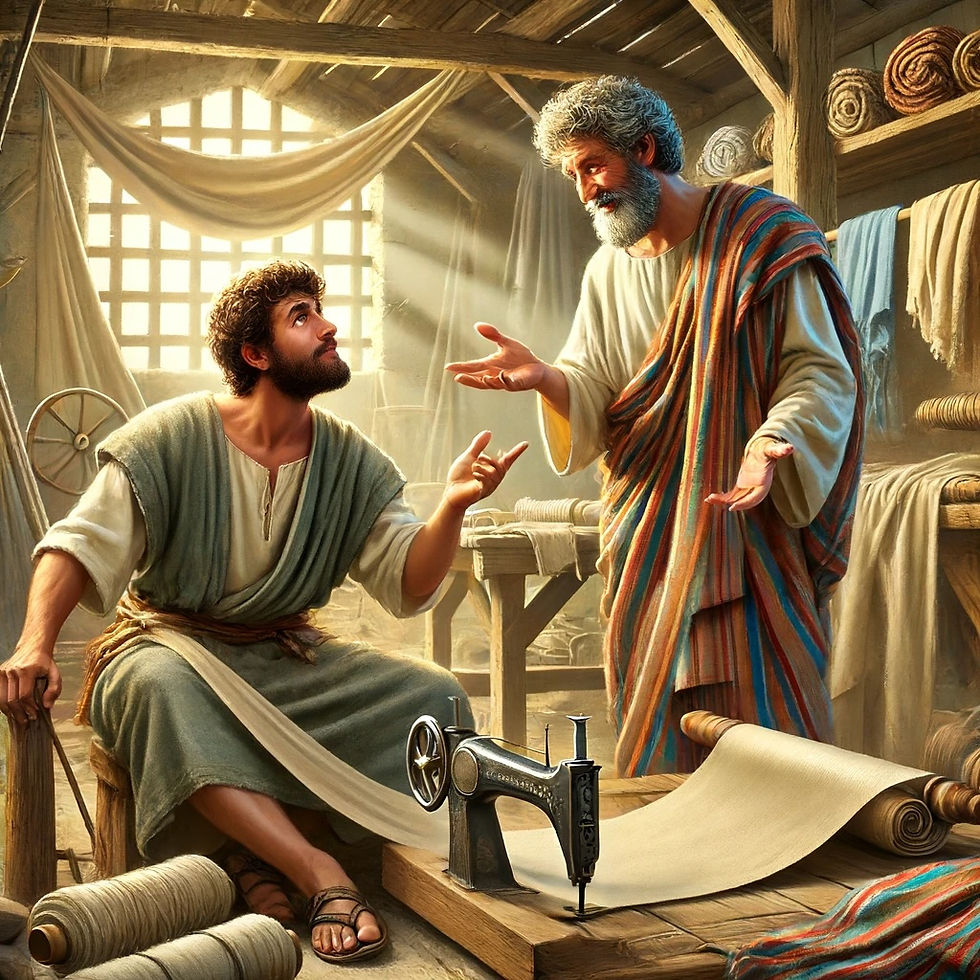
保羅在哥林多
1這事以後,保羅離了雅典,來到哥林多。 2遇見一個猶太人,名叫亞居拉,他生在本都;因為克勞第命猶太人都離開羅馬,新近帶着妻百基拉,從意大利來。保羅就投奔了他們。 3他們本是製造帳棚為業。保羅因與他們同業,就和他們同住做工。 4每逢安息日,保羅在會堂裏辯論,勸化猶太人和希臘人。
5 西拉和提摩太從馬其頓來的時候,保羅為道迫切,向猶太人證明耶穌是基督。 6他們既抗拒、毀謗,保羅就抖着衣裳,說:「你們的罪歸到你們自己頭上,與我無干。從今以後,我要往外邦人那裏去。」 7於是離開那裏,到了一個人的家中;這人名叫提多‧猶士都,是敬拜神的,他的家靠近會堂。 8管會堂的基利司布和全家都信了主,還有許多哥林多人聽了,就相信受洗。 9夜間,主在異象中對保羅說:「不要怕,只管講,不要閉口, 10有我與你同在,必沒有人下手害你,因為在這城裏我有許多的百姓。」 11保羅在那裏住了一年零六個月,將神的道教訓他們。
各位平安,我們今天讀的是《使徒行傳》18章的前11節的故事。我們剛剛看到了保羅從雅典宣教完以後離開,接下來來到了哥林多這個城市。
哥林多是一個很有趣而且很複雜的城市。今天它位於希臘的南部,在雅典旁邊,是一個非常受到歐洲人歡迎的渡假休閒城。在古代,哥林多就是一個魚龍混雜、邪惡的城市。在當時,希臘人有一個說法叫做“做哥林多人”,意思是過著燈紅酒綠的放蕩生活。這個說法甚至流傳到了今天,英文中仍有這個含義,指的是一個道德敗壞或是醉酒的人。
在哥林多城的山上供奉著阿佛洛狄忒(Aphrodite),這位愛情與美麗的女神。同時,她也代表性慾,傳說中她本來就是一個放蕩的女人,經常對丈夫不忠心。因此,可以想見,在這個廟裡所事奉的所謂“尼姑”,即神職人員,其實都是道德低落、行為放蕩的女人們。然而,這個神廟在當時是香火最旺盛的地方之一。因此可以想像,當時哥林多城的道德狀況和性關係是多麼的敗壞和混亂。
當我們讀《哥林多前書》第六章時,我們會發現哥林多人當時的情況。保羅在寫信給哥林多教會時,列出了許多邪惡行為。他說到:“你們豈不知不義的人不能承受上帝的國嗎?不要自欺,無論是淫亂的、拜偶像的、姦淫的、作娈童的、親男色的、偷竊的、貪婪的、醉酒的、辱罵的、勒索的,都不能承受上帝的國。”然後他強調說:“你們中間也有人從前是這樣。”這段話出自《哥林多前書》第六章九到十一節。
這裡還有一段歷史:保羅來到哥林多,遇到了一個叫亞居拉的人。他是羅馬人,但因為公元49年時,皇帝克勞狄下令將猶太人趕出羅馬城,他們只能來到其他城市。保羅便與他們在一起,他們都是製作帳篷的工人。
我們從這裡知道,保羅是一個製帳篷的工人。猶太人有一個慣例,就是講經的拉比不能靠講道和教導來賺錢,這與今天的牧師有些不同。他們都有自己的一技之長,無論做什麼事情,都會用這個手藝來養活自己。因此拉比從事各項職業,而不是作為獨立於世的學究而已,而是深入體察人情世故,可以用實際生活經歷和人感同身受的教師。
而且我們不要以為保羅製作帳篷是一個低賤的工作。事實上,他所製作的帳篷是為軍隊使用的。羅馬是一個軍事帝國,所以能夠為軍隊製作帳篷是一個非常高級且賺錢的手藝。因此,保羅不僅用這個技能養活自己,他還能夠供應別人。
在《帖撒羅尼迦前書》和《帖撒羅尼迦後書》中,保羅提到他從來沒有拿過任何教會的錢,反而經常供應教會的需求。
在哥林多傳道一定是一個極具挑戰性的工作,所以我們看到保羅非常迫切地努力傳道。然而,仍有許多人在抵擋他。保羅的工作非常有果效,許多人聽了福音並且受洗,但反對他的人也非常多。最終,上帝親自對保羅說話,告訴他只管講,不要怕。上帝與他同在,沒有人能傷害他,因為在這城中有許多上帝的百姓。
保羅就在這個城中一邊工作,每個安息日來到會堂裡講道,並且用聖經辯論,證明耶穌就是基督。這樣持續了18個月。
後來,保羅還留下了兩部非常珍貴的書信:《哥林多前書》和《哥林多後書》。這兩部書信中所提到的教會問題相當的多,解決之道也寫得很清楚,是面對和解決今天教會許多情況的重要指導書信。
接下來我們看看他的哥林多有發生哪些更多的其他的事情。我們明天繼續閱讀18章的下半段,感謝各位的聆聽。
In Corinth
1After this, Paul left Athens and went to Corinth. 2There he met a Jew named Aquila, a native of Pontus, who had recently come from Italy with his wife Priscilla, because Claudius had ordered all Jews to leave Rome. Paul went to see them, 3and because he was a tentmaker as they were, he stayed and worked with them. 4Every Sabbath he reasoned in the synagogue, trying to persuade Jews and Greeks.
5When Silas and Timothy came from Macedonia, Paul devoted himself exclusively to preaching, testifying to the Jews that Jesus was the Messiah. 6But when they opposed Paul and became abusive, he shook out his clothes in protest and said to them, “Your blood be on your own heads! I am innocent of it. From now on I will go to the Gentiles.”
7Then Paul left the synagogue and went next door to the house of Titius Justus, a worshiper of God. 8Crispus, the synagogue leader, and his entire household believed in the Lord; and many of the Corinthians who heard Paul believed and were baptized.
9One night the Lord spoke to Paul in a vision: “Do not be afraid; keep on speaking, do not be silent.10For I am with you, and no one is going to attack and harm you, because I have many people in this city.”11So Paul stayed in Corinth for a year and a half, teaching them the word of God.
Peace be with you all.
Today, we are reading from Acts 18:1-11. We have just seen Paul finishing his mission in Athens and moving on to the city of Corinth.
Corinth is an interesting and complex city. Today, it is located in the southern part of Greece, near Athens, and is a very popular vacation and leisure destination for Europeans. In ancient times, Corinth was a city teeming with a mix of people and wickedness. At that time, the Greeks had a saying, "to act like a Corinthian," meaning to live a life of debauchery and excess. This saying has even persisted to the present day; in English, it still carries the connotation of a morally corrupt or drunken person.
On a hill in Corinth, there was a temple dedicated to Aphrodite, the goddess of love and beauty. She also represented lust, and in mythology, she was known as a promiscuous woman, often unfaithful to her husband. Therefore, it is no surprise that the so-called "nuns" serving in this temple, who were actually temple prostitutes, were women of low moral character and licentious behavior. Despite this, the temple was one of the most popular places of worship at the time. This gives us an idea of how corrupt and chaotic the moral and sexual climate of Corinth was.
When we read 1 Corinthians 6, we can understand the situation in Corinth at that time. Paul, writing to the Corinthian church, listed many evil behaviors. He said:
"Do you not know that the unrighteous will not inherit the kingdom of God? Do not be deceived: neither the sexually immoral, nor idolaters, nor adulterers, nor men who practice homosexuality, nor thieves, nor the greedy, nor drunkards, nor revilers, nor swindlers will inherit the kingdom of God."
He then emphasized, "And such were some of you." This passage is from 1 Corinthians 6:9-11.
There is also a historical note here: when Paul arrived in Corinth, he met a man named Aquila. He was a Roman, but in 49 AD, Emperor Claudius ordered all Jews to be expelled from Rome, so they had to move to other cities. Paul joined them, and they were all tentmakers.
From this, we know that Paul was a tentmaker. There was a tradition among the Jews that rabbis, who taught the scriptures, did not earn money from their teaching and preaching, unlike today's pastors. They all had a trade, and whatever they did, they used their skills to support themselves. This means rabbis were involved in various professions, deeply understanding human affairs, and could empathize with the lives of the people they taught.
Moreover, we should not think that Paul's work as a tentmaker was a lowly job. In fact, the tents he made were for the military. Since Rome was a military empire, making tents for the army was a highly skilled and well-paying job. Therefore, Paul not only supported himself with this skill, but he also supported others.
In 1 Thessalonians and 2 Thessalonians, Paul mentioned that he never took money from any church. Instead, he often supplied the needs of the churches.
Preaching in Corinth must have been a highly challenging task. We see Paul working very earnestly to spread the gospel, but there were still many who opposed him. Despite the effectiveness of his work, with many hearing the gospel and being baptized, the opposition was strong. Finally, God spoke to Paul directly, encouraging him to keep speaking and not be afraid. God assured him that He was with him, and no one would harm him because there were many of God's people in that city.
Paul stayed in the city, working and preaching in the synagogue every Sabbath. He used the Scriptures to argue and prove that Jesus was the Christ. He did this for 18 months.
Later, Paul left behind two very precious letters: 1 Corinthians and 2 Corinthians. These letters address many church issues and provide clear solutions, serving as important guides for dealing with similar situations in churches today.
Next, we will see what else happened in Corinth. We will continue reading the second half of chapter 18 tomorrow. Thank you all for listening.


Comments